When cell towers are overloaded and the power is out, a radio is how you find out what's happening: where shelters are, when roads reopen, whether another storm is coming. But there are two very different jobs here — warning you before an emergency and keeping you informed during one — and most households are best served by covering both.
Two jobs, often two radios
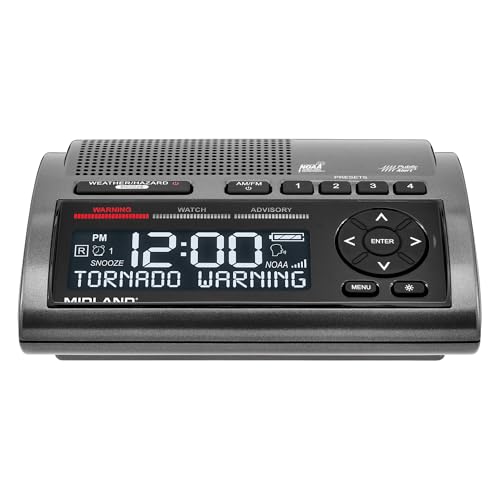
A weather alert radio (like the Midland WR400) plugs in at home and stays silent until the National Weather Service issues a warning for your area. Then it sounds an alarm — even at 3 a.m. That's the radio that wakes you for a tornado warning.
A hand-crank emergency radio (like the RunningSnail models) is portable and doesn't need the grid. It's what you listen to during a multi-day outage, and many double as a flashlight and phone charger.
If you can only buy one, pick the job that matches your biggest risk. Tornado and flash-flood country favors an alert radio. Hurricane, ice-storm and wildfire areas favor a crank radio for long outages.
Our picks
After comparing 5 emergency radios, we recommend the RunningSnail Emergency Crank Radio (4000mAh). If you want to spend less, the RunningSnail Hand Crank Emergency Radio (2000mAh) is a strong value.

Our favorite overall
RunningSnail Emergency Crank Radio (4000mAh)
The best all-around hand-crank radio — NOAA weather band, a 4000mAh battery that can top off a phone, and a flashlight plus reading lamp.
$43.18 from AmazonPrice as of Nov 28, 2026 18:30 UTC · DetailsRead our full review →
Great value for less
RunningSnail Hand Crank Emergency Radio (2000mAh)
The best budget emergency radio — the most-reviewed crank radio on Amazon, with NOAA alerts and a small phone-charging battery.
$36.99 from AmazonPrice as of Nov 28, 2026 18:30 UTC · DetailsRead our full review →NOAA weather band and SAME alerts
NOAA Weather Radio broadcasts continuous forecasts and warnings on seven frequencies across the country. Any emergency radio worth buying should receive them.
Alert radios go further with SAME (Specific Area Message Encoding). You program your county code, and the radio only sounds for warnings that affect you. Without SAME, you'll get woken for storms two counties away — and you'll be tempted to turn the alarm off.
Power: crank, solar, battery
A good emergency radio has more than one way to stay powered. A hand crank works anytime, but cranking a battery full takes real effort, so think of it as a way to get the news, not to fully charge a phone.
Built-in solar panels on most radios are small and charge slowly. Treat them as a trickle. The exception is radios with oversized panels, which can make a real difference over several sunny days.
Battery size, listed in mAh, decides how much phone charging you'll get. A 2,000mAh radio might add a partial phone charge. A 12,000mAh model can recharge a phone several times.
Features worth having
A built-in flashlight is genuinely useful. An SOS siren or flashing light helps rescuers find you. Built-in charging cables solve the most common kit failure: the cable you forgot. An external or telescoping antenna improves reception in rural areas.
What to skip
Be skeptical of huge battery claims on no-name radios, and of feature lists that pack in everything at a rock-bottom price. Stick with models that have a long track record and lots of owner reviews. And test any radio when you buy it: crank it, tune in your local NOAA station, and set a reminder to check it twice a year.

See every pick we recommend, with live Amazon prices.
See all 5 Emergency Radios picks →Frequently Asked Questions
What is a NOAA weather radio?
It's a radio that receives the National Weather Service's continuous broadcasts of forecasts and warnings. Alert models can sound an alarm automatically when a warning is issued for your area.
Can a hand-crank radio charge my phone?
Most can, but slowly. A minute of cranking gives a small amount of power. Radios with larger built-in batteries that you keep charged ahead of time are far more useful for phone charging.
Do I need both a weather alert radio and a crank radio?
Many households benefit from both: an alert radio at home to warn you, and a crank radio to keep you informed during a long power outage.